Chicago apartments are high-risk for bed bugs, cockroaches, and rodents — and the RLTO is clear about who is responsible. Here's how tenants and landlords should handle treatment, plus what to do if your landlord won't act.
Chicago apartments — from vintage 2-flats in Logan Square to high-rises in the Loop — share one feature that drives pest pressure: walls, plumbing chases, and electrical conduit that connect every unit in the building. Bed bugs, cockroaches, and mice all use those shared pathways to spread between apartments. Here's what Chicago tenants and landlords need to know about responsibility, coordination, and how Sleep Tight handles multi-unit treatments.
Why Chicago apartments are high-risk
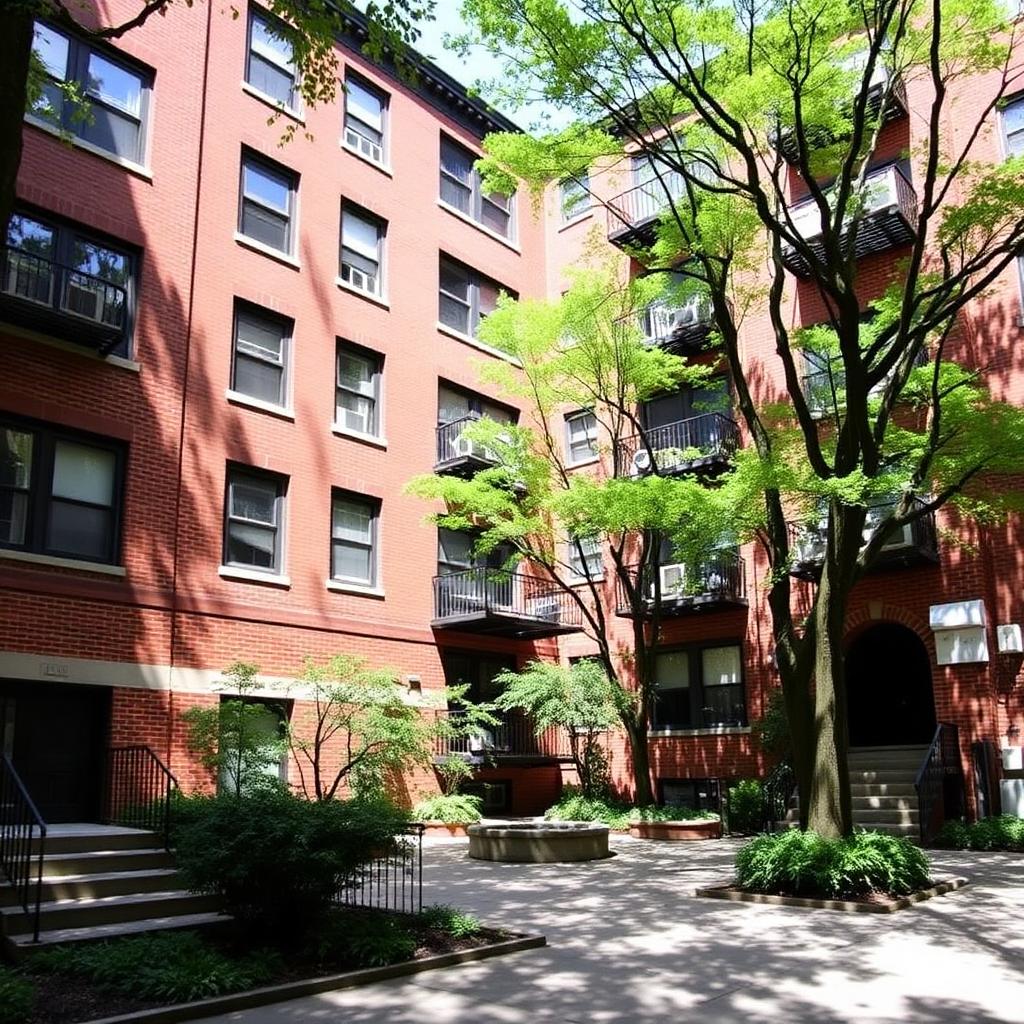
Chicago's older multi-unit housing stock — courtyard buildings, vintage walk-ups, six-flats — was built before modern pest exclusion was a design priority. Wall voids connect, plumbing penetrations are rarely sealed, and shared garbage rooms are constant attractants. Heavy CTA ridership and dense move-in/move-out activity keep introducing new bed bug populations.
The three biggest issues we see in Chicago apartments are bed bugs (the #1 city in the U.S. for years running), German cockroaches (which thrive in shared kitchens and wall voids), and Norway rats (which use shared garbage rooms, gangways, and basement access).
Tenant vs. landlord responsibility under the RLTO
Chicago's Residential Landlord and Tenant Ordinance (RLTO) requires landlords to maintain rental units in compliance with the Chicago Municipal Code, which includes keeping them free of insect and rodent infestations. For bed bugs specifically, the Chicago Bed Bug Ordinance puts the financial responsibility for treatment on the landlord — tenants are not legally required to pay for professional bed bug treatment.
Tenants are responsible for cooperating with treatment (preparing the unit, allowing access, following technician instructions) and for not introducing infestations through gross negligence. Landlords are responsible for hiring a licensed pest control company, treating affected and adjacent units, and providing the city's bed bug information packet.
How Sleep Tight coordinates multi-unit treatments
When we treat a Chicago apartment, we inspect the affected unit, the units directly above, below, and to either side, and any shared common areas (laundry rooms, garbage rooms, basements). For bed bugs especially, treating only the originating unit almost guarantees the infestation comes back through the wall void.
We work directly with property managers and individual landlords to schedule treatments, communicate with tenants, provide prep instructions in the appropriate language, and document everything for compliance. For larger buildings, we offer portfolio programs with quarterly inspections and dedicated account management.
What to do if your landlord won't treat
If your Chicago landlord refuses to address a pest infestation, document everything in writing — emails, texts, and dated photos of activity. Send a written notice giving the landlord 14 days to remedy the violation (RLTO Section 5-12-110). If they still don't act, you can file a complaint with the Chicago Department of Buildings or the Department of Public Health, deduct treatment costs from rent (with proper notice), or pursue a private right of action.
Sleep Tight provides detailed inspection reports and treatment documentation that tenants can use as evidence when escalating with landlords or the city. Call (773) 240-5932 for a free tenant inspection.
Same-day service for renters and property managers
Sleep Tight offers same-day pest control across all 77 Chicago neighborhoods for both individual tenants and property managers. We handle the coordination, the prep instructions, the treatment, and the follow-up — call (773) 240-5932 or schedule online.
Why this matters for Chicago homes and apartments
Chicago's pest pressure is unusual for a major American city. The combination of a 100-year-plus housing stock, dense alley-based garbage collection, lake-effect humidity from May through September, and a freeze-thaw cycle that opens new foundation cracks every winter creates year-round opportunity for pests that would be seasonal almost anywhere else. Bed bugs and German cockroaches stay active inside heated buildings through January. Norway rats expand burrow networks under garages and gangways the moment ground temperatures crack 40°F. Mosquitoes breed in any standing water within a quarter-mile radius. The result is that the same pest problem in Chicago needs a different response than the playbook a national chain runs in a Sun Belt suburb.
That is why Sleep Tight built its service model around Chicago specifically: same-day appointment availability across all 77 community areas, licensed technicians who know the difference between a Greystone basement and a four-plus-one wall void, transparent flat-rate pricing instead of national-chain upsell scripts, and aftercare that accounts for shared-wall and shared-alley re-introduction risks.
What to do if you are seeing this problem right now
First, do not start spraying over-the-counter products. Foggers, bug bombs, and most consumer aerosols scatter the population deeper into wall voids, baseboards, and adjacent units, which makes the eventual professional treatment harder and more expensive. Second, document what you are seeing — photos of the pest, the location, droppings, damage, or bites — so a technician can confirm species and severity over the phone before the visit. Third, if you rent, notify your landlord or property manager in writing the same day; Chicago's Residential Landlord and Tenant Ordinance (RLTO) protects tenants who report infestations in good faith and obligates the landlord to coordinate professional treatment in nearly every case.
- Bag bedding, soft goods, and any items near the activity in sealed plastic — do not move them to another room.
- Keep sleeping in the affected room if bed bugs are suspected; moving rooms starts a second infestation.
- For rodents, do not seal up burrows or holes before treatment — exclusion happens after the population is knocked down.
- For mosquitoes, walk the perimeter and empty every container holding standing water; even a bottle cap can breed dozens.
- Call (773) 240-5932 for a same-day inspection — most Chicago neighborhoods can be on the schedule within four hours.
Related Sleep Tight resources
Sleep Tight Pest Control publishes a deep library of Chicago-specific guides covering bed bugs, rodents, cockroaches, mosquitoes, ants, and commercial pest control. Each guide is written by our technicians and reflects exactly what we see in the field across the city's neighborhoods.
- [Complete Chicago Pest Control Guide](/chicago-pest-control-guide) — neighborhood-by-neighborhood pest pressure overview.
- [Bed bug heat treatment](/services/bed-bug-heat-treatment) — one-day chemical-free bed bug elimination for Chicago apartments and homes.
- [Rodent control](/services/rodent-control) — exterior baiting, interior trapping, and exclusion for Chicago's rat and mouse pressure.
- [Emergency pest control](/services/emergency-pest-control) — same-day service for active infestations citywide.
- [Pest library](/pest-library) — searchable identification guide with photos for the 30+ pests common in Chicago.
Related Sleep Tight pages
Pest control in neighborhoods mentioned in this article
Frequently Asked Questions
Who pays for bed bug treatment in a Chicago apartment?
Under the Chicago Bed Bug Ordinance, landlords are responsible for the cost of professional bed bug treatment in rental units. Tenants are responsible for cooperating with treatment but not for paying for it.
What if my Chicago landlord won't treat the bed bugs?
Send a written 14-day notice under RLTO Section 5-12-110. If unresolved, file a complaint with the Chicago Department of Buildings or Public Health, or deduct treatment costs from rent with proper notice. Sleep Tight provides documentation that helps tenants escalate.
Do you treat just one apartment or the whole building?
For bed bugs and cockroaches we strongly recommend inspecting adjacent units (above, below, both sides) because pests spread through wall voids. For property managers we offer portfolio programs covering the whole building.
Can you treat my Chicago apartment today?
Yes. Same-day apartment service is available across all Chicago neighborhoods for both tenants and property managers. Call (773) 240-5932 before noon for same-day availability.
Need pest control in Chicago?
Sleep Tight Pest Control offers same-day service across all Chicago neighborhoods and suburbs including Evanston, Skokie, Niles, and Oak Park. Call (773) 240-5932 or get a free quote online.