Around Wrigley Field, a residential entrance can sit a short walk from a busy bar, restaurant kitchen, or delivery door. Clark Street’s nightlife corridor meets Addison Street’s ballpark traffic, while farther south, Belmont Avenue connects another concentration of shops, dining, and rental housing. These blocks bring residential and commercial properties into close contact without giving them identical pest problems.
For a vintage frame house divided into apartments, the inspection may involve upstairs bedrooms, shared basement utilities, and an enclosed rear porch. For a restaurant, it may begin at receiving doors and equipment areas before moving outside to refuse storage.
Sleep Tight Pest Control leads with bed bug treatment and rodent control and structural exclusion, followed by general pest barriers for cockroaches, ants, and spiders. We distinguish activity inside the property from the building conditions and exterior openings that need attention.
Bed Bugs: Treat the Living Space and Investigate Relevant Connections
In a rental building with frequent move-ins, furniture changes, and shared walls, a bed bug report needs a clear inspection plan. The first questions are practical: which rooms are affected, where do occupants sleep or rest, and has related activity been reported elsewhere?
Belongings and used furniture can introduce bed bugs. Once established in multi-unit housing, bed bugs can also move through openings associated with connecting pipes, wiring, and wall voids. Shared construction makes coordination important; it does not establish that every adjacent apartment is infested.
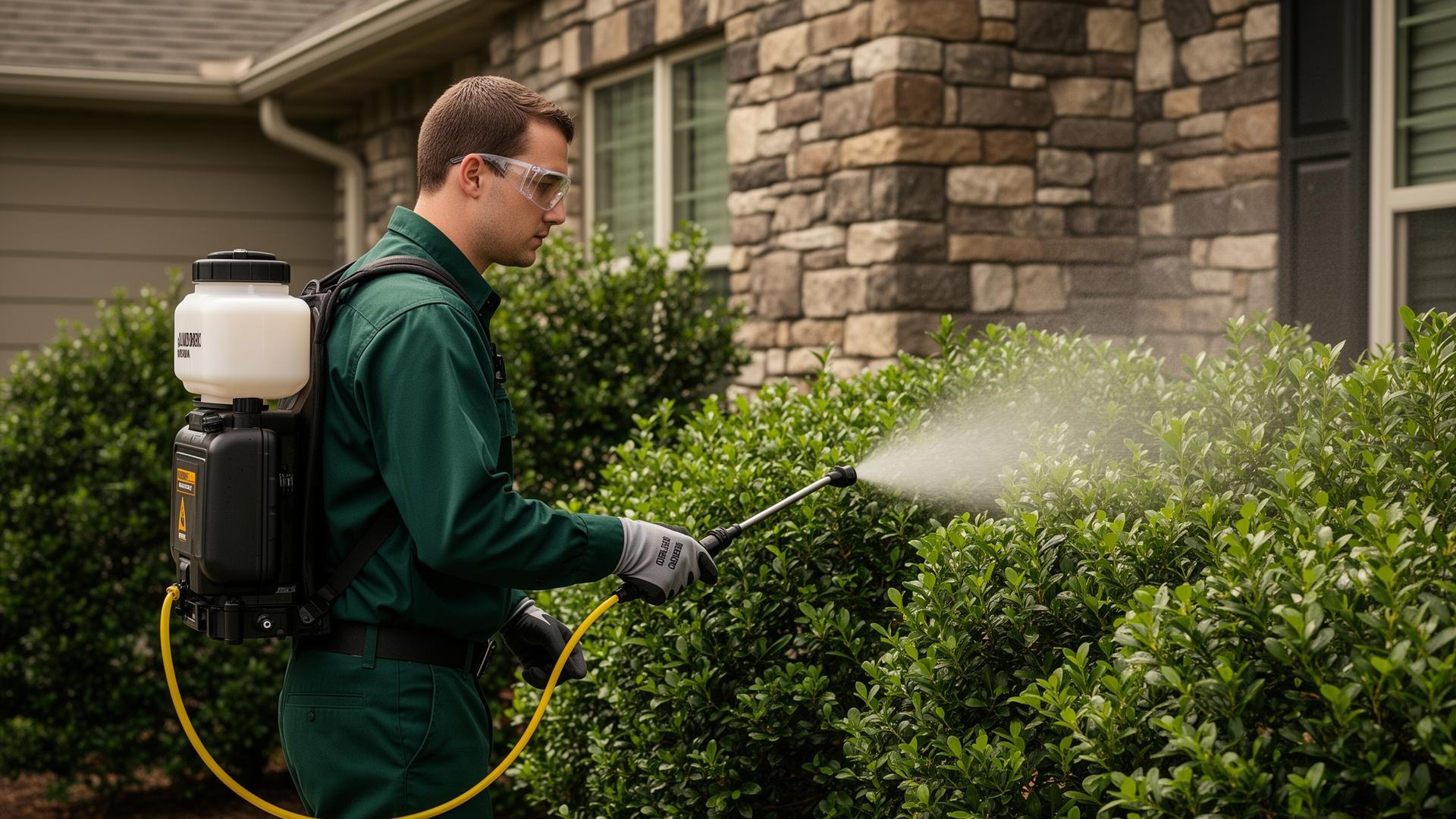
For Lakeview and Wrigleyville rentals, we organize the work around three decisions:
- What needs inspection? Accessible beds, upholstered furniture, room edges, and nearby hiding places in the reported living spaces.
- Does management need to arrange more access? Findings and relevant reports guide recommendations for additional inspection.
- Who will prepare the property? Residents, owners, and managers need consistent instructions, especially when a lease change falls between appointments.
Bed Bug Heat Treatment — 6-Month Warranty
Professional heating and temperature monitoring address the designated treatment area. We explain the included spaces, preparation requirements, and handling of heat-sensitive belongings before service.
Bed Bug Liquid Treatment — 3-Month Warranty
Targeted professional applications address identified harborages and appropriate treatment sites. Scheduled follow-up visits form part of the plan, with preparation and continued access coordinated in advance.
Tell us about upcoming move-in dates when booking. An empty apartment can improve access, but vacancy and cleaning alone do not establish that bed bug activity has been resolved.
Rodent Exclusion: Two Sides of the Rear Door
Busy restaurant alleys require attention to food waste, refuse-container condition, delivery practices, and door fit. Where accessible food, shelter, and building openings coincide, exterior rodent activity can become an indoor problem.
Our rodent control and structural exclusion assessment considers both sides of that connection.
Outside: Receiving Areas, Refuse Storage, and Rear Entrances
We inspect accessible door corners, thresholds, service penetrations, and lower exterior connections. Recommendations distinguish openings requiring repair from operating conditions such as exposed waste or obstructed inspection areas.
A residential property sharing the alley needs its own assessment. Nearby commercial activity does not establish where rodents are entering a particular home.
Inside: Older Framing and Basement Connections
In vintage wood-frame buildings, the foundation itself may be masonry or concrete. Inspection therefore focuses on the junctions between materials—not an assumption that a frame house has a wooden foundation.
Accessible sill-plate connections, utility openings, rear additions, and basement partitions can warrant closer examination. Previous repairs and later renovations may also leave gaps concealed behind finishes or equipment.
We use trapping and monitoring to help establish activity, then recommend physical exclusion for identified entry points. Materials and fastening methods must suit the surrounding construction. Deteriorated framing, damaged doors, major masonry repairs, or concealed openings may require another contractor or additional access.
General Pest Barriers for Apartments and Commercial Spaces
Cockroaches
Apartment kitchens and restaurant work areas require inspection of accessible equipment, sink plumbing, food storage, and moisture conditions. Targeted treatment and monitoring follow the findings, with preparation and access requirements explained before service.
In mixed-use buildings, we distinguish the commercial unit, upstairs apartments, and shared service areas rather than treating them as one undifferentiated space.
Ants
We investigate observed trails around kitchen edges, exterior doors, basement windows, and accessible service openings. Appropriate treatment accompanies recommendations for supporting food or moisture conditions and entry points needing repair.
Spiders
Basement corners, rear stair enclosures, storage spaces, and window frames receive attention where activity is reported. Targeted service and accessible web removal, where appropriate, accompany recommendations for screens, gaps, and surrounding conditions.
Our general pest barriers combine treatment with practical maintenance guidance for the property inspected.
Plan Access Around Residents, Deliveries, and Business Hours
For properties near Clark and Addison or along Belmont Avenue, tell us about receiving schedules, locked rear gates, basement keys, and resident access before the visit. If an opening sits behind fixed equipment or an enclosed finish, we can discuss what access may be needed.
Our office at 4311 N. Ravenswood Ave, Chicago, IL 60613 supports our guaranteed same-day response in Lakeview and Wrigleyville.
Call (773) 240-5932 with the property address, affected apartment or commercial space, observed activity, and the areas you can make accessible. We’ll confirm your arrival window and coordinate an inspection suited to the building and its daily use.