Lincoln Square’s busiest buildings do several jobs at once. A historic storefront welcomes customers from Lincoln Avenue, a restaurant takes deliveries through the rear, and apartments occupy the floors above. Around Giddings Plaza and the Lincoln–Lawrence intersection, that mix of shops, dining, and residential space is part of the neighborhood’s character. It also means pest control must account for more than the room where someone first noticed activity.
A mouse behind a restaurant’s shelving may have entered beneath an alley door. Cockroach activity around a sink may involve moisture and openings around plumbing. In an older mixed-use property, treating one tenant’s space without inspecting accessible shared areas can leave important conditions unresolved.
Sleep Tight Pest Control approaches Lincoln Square properties as connected structures: public-facing storefronts, working kitchens, rear service entrances, basements, and upstairs living spaces.
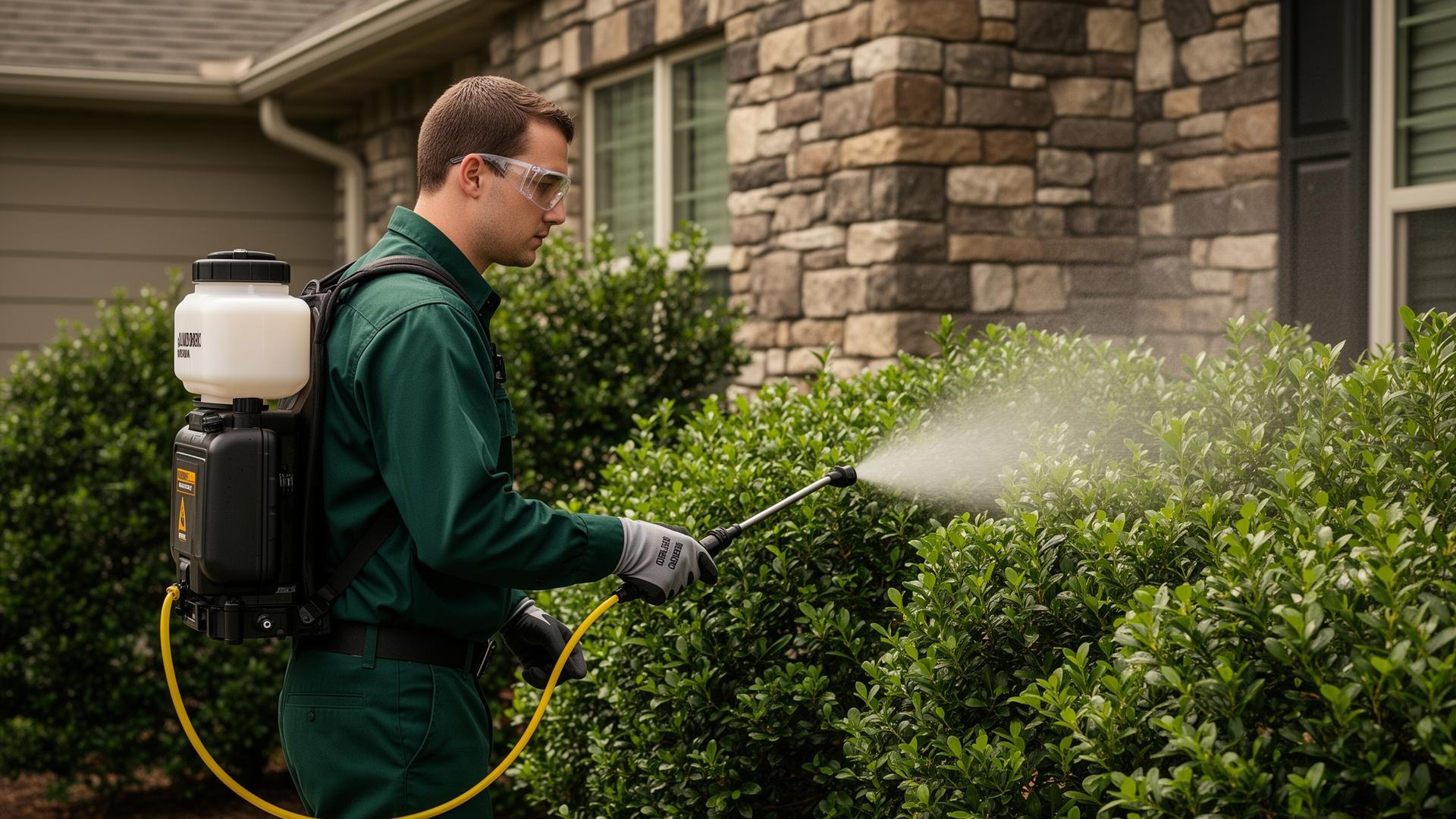
Follow the Building’s Daily Traffic
Foot traffic keeps the square active. Behind the storefronts, deliveries, refuse collection, and frequently opened service doors create a different pattern of movement.
For businesses along Lincoln and Lawrence Avenues, our inspection follows that working side of the property:
- Receiving and rear entrances: We check accessible door bottoms, thresholds, frames, and nearby utility openings for gaps and evidence of rodent activity.
- Food and refuse areas: We assess storage conditions, accessible spaces beneath equipment, and waste-handling practices that may support pest activity.
- Connections below and above: We inspect accessible basement routes and plumbing penetrations that could connect commercial space with storage rooms or residential units.
The goal is to identify where treatment belongs, where monitoring will help, and where a physical repair is needed.
Rodent Exclusion That Fits Older Construction
A historic storefront can have a carefully maintained façade and a much less visible problem at the foundation.
Our rodent control and structural exclusion work combines trapping and monitoring with repairs to appropriate, accessible entry points. Depending on the building, those points may include deteriorated foundation joints, openings around service lines, or gaps where an older rear addition meets the original structure.
We explain the evidence behind each recommended repair. Openings that require masonry restoration, plumbing work, or broader building repairs are identified separately, so the owner can coordinate the right contractor.
Exclusion should close a pest route without obstructing required ventilation, drainage, or building access.
Near Welles Park, Inspect Below the Finished Floor
On residential blocks around Welles Park, including the streets near Sunnyside and Montrose, a finished basement may conceal older foundation surfaces, utility connections, and areas that are difficult to inspect. Welles Park itself occupies a central place in Lincoln Square’s residential landscape.
We look for accessible signs of moisture, pest activity, and openings around basement plumbing or exterior access points. Persistent dampness beneath a sink or near a foundation wall needs a different response from an active rodent opening.
Our general pest service addresses appropriate treatment areas while identifying conditions that need maintenance attention. Pest treatment does not replace correcting a leak or resolving a drainage problem; those recommendations belong in the plan alongside exclusion and monitoring.
Protect the Apartments Above the Business
When bed bugs are reported in an upstairs apartment, we inspect the affected living space and discuss whether neighboring-unit access or management coordination is warranted. Shared walls alone do not establish an infestation next door.
Sleep Tight offers:
- Bed bug heat treatment: Professional heating and temperature monitoring, with preparation instructions for the treated space and a 6-month warranty.
- Bed bug liquid treatment: Targeted applications with follow-up visits under the treatment plan and a 3-month warranty.
We explain preparation, access requirements, and the recommended approach before treatment begins.