Based on Chicago's winter and spring weather patterns, here's what residents should expect from the 2026 mosquito season — peak weeks, highest-risk neighborhoods, and how to prepare.
Predicting a Chicago mosquito season isn't a guessing game — population timing and severity follow temperature, precipitation, and standing water patterns from the preceding winter and spring. Here's our 2026 outlook based on this winter's mild conditions and spring's above-average precipitation, what we're already seeing in early-season trap data, and how Chicago residents should prepare.
2026 season predictions based on winter and spring weather
Chicago's 2025-2026 winter ran warmer than average with limited extended deep-freeze stretches. Mild winters allow more overwintering Culex pipiens females to survive, which raises the starting population baseline going into spring. Spring 2026 has delivered above-average precipitation across Cook County, which has saturated soils and produced abundant temporary breeding water.
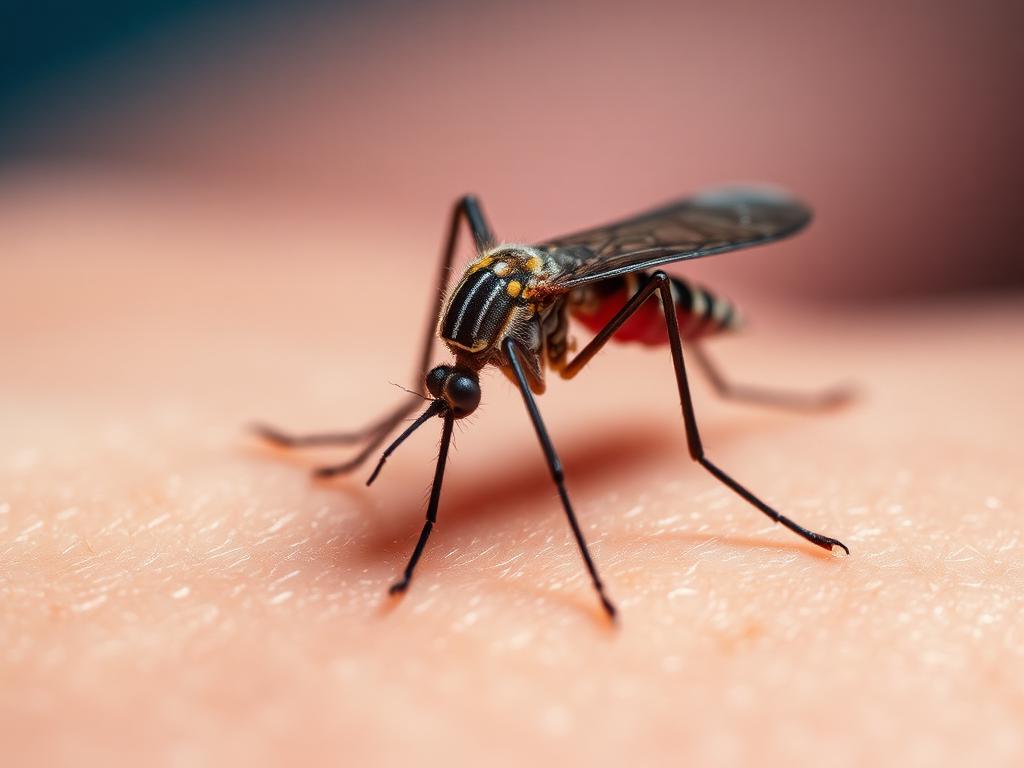
Combined, those conditions point to an earlier-than-average start (early-mid May rather than late May) and above-average pressure through peak season unless July turns unusually hot and dry. Aedes albopictus — the small black-and-white striped daytime biter — continues its multi-year expansion in city neighborhoods and will be more noticeable in 2026 than in any prior season.
Which Chicago neighborhoods and suburbs are highest risk
Three categories of property face the highest pressure. First, anything within a few blocks of major parks or the lakefront — Lincoln Park, Humboldt Park, Washington Park, Marquette Park, Garfield Park, the Lakefront Trail corridor. Second, anything bordering the Cook County Forest Preserves — Morgan Park near Dan Ryan Woods, Edgebrook, and most North Shore suburbs. Third, dense vintage housing blocks with shaded yards, mature trees, and aging gutters.
Lower-pressure properties tend to be newer construction, exposed sunny yards without dense shrubs, and blocks distant from lagoons or wooded parkland. Even those properties see meaningful biting during peak weeks.
Peak activity weeks for 2026
Based on the 2026 outlook, expect peak adult mosquito activity from approximately mid-June through Labor Day, with the absolute heaviest pressure in late July through mid-August. West Nile virus risk historically peaks in Cook County in late August and early September — that window is the time to be most cautious about evening yard activity if you're in an at-risk demographic.
Activity tapers in mid-September and ends with the first hard frost, typically late October in Chicago.
What residents can do now to prepare
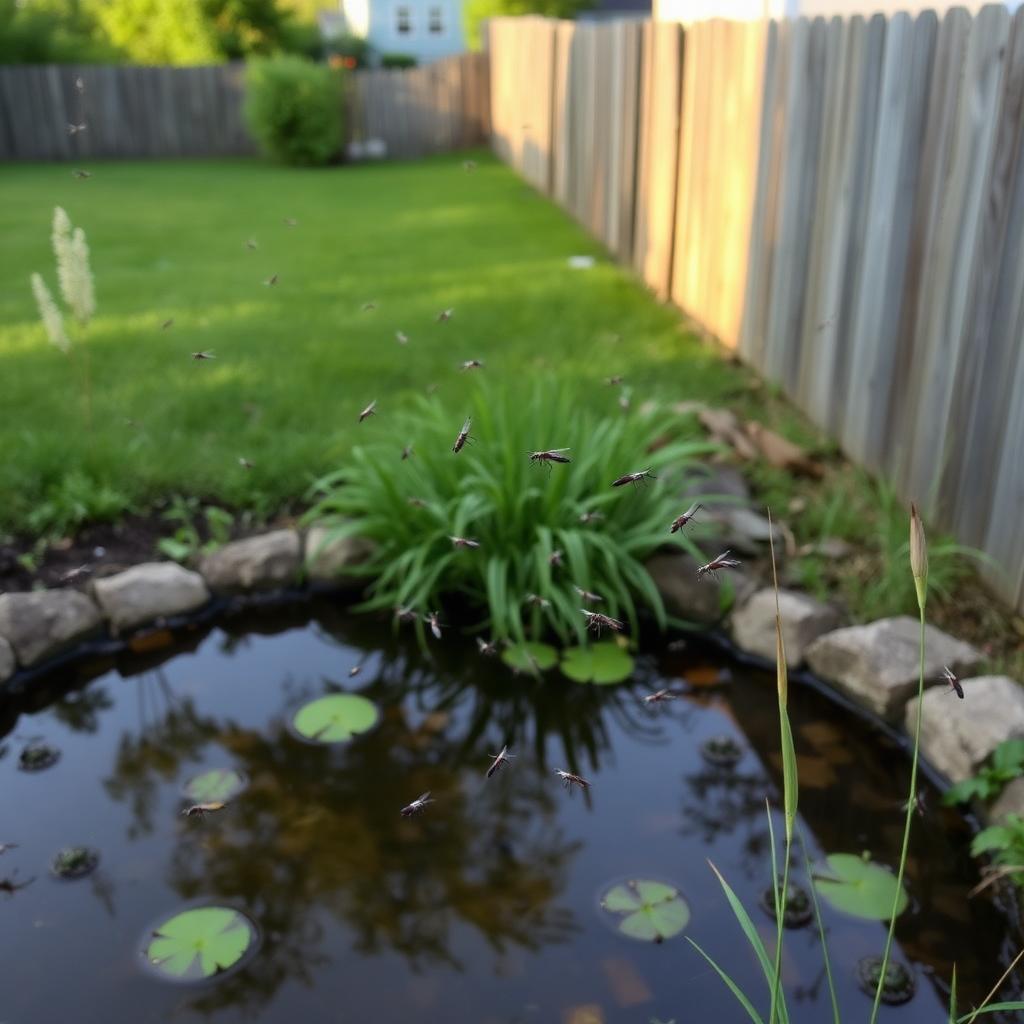
Walk your property and eliminate every container that can hold standing water for more than four days — gutters, plant saucers, kiddie pools, birdbaths, tarp folds, tire ruts, rain barrels without screens. Trim back dense shrubs against the foundation by at least 12 inches to reduce adult mosquito resting habitat. Add a small fan to any patio you use in the evening (mosquitoes are weak fliers and avoid moving air).
If you have a pond or water feature, add BTI dunks. If your property is in one of the high-pressure categories above, schedule a barrier treatment for late May or early June and put a seasonal program on the calendar.
Sleep Tight's 2026 seasonal mosquito program
Our seasonal program runs May through October with treatments every 21 days, free retreatments between visits if pressure spikes, and free yard inspections to identify breeding sites. We're already booked into June for most Chicago neighborhoods — early scheduling is the way to lock in your preferred treatment day.
Need pest control in Chicago or the surrounding suburbs? Sleep Tight Pest Control offers same-day service citywide. Call (773) 240-5932 or get a free quote online at sleeptightpestcontrol.com.
Why this matters for Chicago homes and apartments
Chicago's pest pressure is unusual for a major American city. The combination of a 100-year-plus housing stock, dense alley-based garbage collection, lake-effect humidity from May through September, and a freeze-thaw cycle that opens new foundation cracks every winter creates year-round opportunity for pests that would be seasonal almost anywhere else. Bed bugs and German cockroaches stay active inside heated buildings through January. Norway rats expand burrow networks under garages and gangways the moment ground temperatures crack 40°F. Mosquitoes breed in any standing water within a quarter-mile radius. The result is that the same pest problem in Chicago needs a different response than the playbook a national chain runs in a Sun Belt suburb.
That is why Sleep Tight built its service model around Chicago specifically: same-day appointment availability across all 77 community areas, licensed technicians who know the difference between a Greystone basement and a four-plus-one wall void, transparent flat-rate pricing instead of national-chain upsell scripts, and aftercare that accounts for shared-wall and shared-alley re-introduction risks.
What to do if you are seeing this problem right now
First, do not start spraying over-the-counter products. Foggers, bug bombs, and most consumer aerosols scatter the population deeper into wall voids, baseboards, and adjacent units, which makes the eventual professional treatment harder and more expensive. Second, document what you are seeing — photos of the pest, the location, droppings, damage, or bites — so a technician can confirm species and severity over the phone before the visit. Third, if you rent, notify your landlord or property manager in writing the same day; Chicago's Residential Landlord and Tenant Ordinance (RLTO) protects tenants who report infestations in good faith and obligates the landlord to coordinate professional treatment in nearly every case.
- Bag bedding, soft goods, and any items near the activity in sealed plastic — do not move them to another room.
- Keep sleeping in the affected room if bed bugs are suspected; moving rooms starts a second infestation.
- For rodents, do not seal up burrows or holes before treatment — exclusion happens after the population is knocked down.
- For mosquitoes, walk the perimeter and empty every container holding standing water; even a bottle cap can breed dozens.
- Call (773) 240-5932 for a same-day inspection — most Chicago neighborhoods can be on the schedule within four hours.
Related Sleep Tight resources
Sleep Tight Pest Control publishes a deep library of Chicago-specific guides covering bed bugs, rodents, cockroaches, mosquitoes, ants, and commercial pest control. Each guide is written by our technicians and reflects exactly what we see in the field across the city's neighborhoods.
- [Complete Chicago Pest Control Guide](/chicago-pest-control-guide) — neighborhood-by-neighborhood pest pressure overview.
- [Bed bug heat treatment](/services/bed-bug-heat-treatment) — one-day chemical-free bed bug elimination for Chicago apartments and homes.
- [Rodent control](/services/rodent-control) — exterior baiting, interior trapping, and exclusion for Chicago's rat and mouse pressure.
- [Emergency pest control](/services/emergency-pest-control) — same-day service for active infestations citywide.
- [Pest library](/pest-library) — searchable identification guide with photos for the 30+ pests common in Chicago.
Related Sleep Tight pages
Pest control in neighborhoods mentioned in this article
Frequently Asked Questions
Will Chicago's 2026 mosquito season be worse than 2025?
Likely yes. A mild winter increased overwintering survival of Culex females, and above-average spring rainfall produced abundant breeding water. Expect an early start and above-average pressure unless July turns unusually hot and dry.
When will mosquitoes be worst in Chicago in 2026?
Peak pressure is expected from mid-June through Labor Day, with the heaviest biting in late July through mid-August. West Nile risk peaks in late August and early September.
What Chicago neighborhoods will see the most mosquitoes in 2026?
Properties within a few blocks of major parks, the lakefront, or Cook County Forest Preserves, plus dense vintage housing blocks with mature canopy and aging gutters.
When should I schedule mosquito treatment for 2026?
Late May or early June for seasonal program enrollment. Same-day one-time treatments are available throughout the season. Call (773) 240-5932 to schedule.
Need pest control in Chicago?
Sleep Tight Pest Control offers same-day service across all Chicago neighborhoods and suburbs including Evanston, Skokie, Niles, and Oak Park. Call (773) 240-5932 or get a free quote online.