A realistic, Chicago-specific step-by-step guide for getting rid of bed bugs in an apartment, condo, or house — what to do today, what not to do, and what professional treatment actually involves.
Chicago has ranked at or near the top of Orkin's annual bed bug city list for over a decade. The combination of dense apartment stock, CTA ridership, and constant move-in/move-out turnover means most Chicagoans will encounter bed bugs at some point — either in their own unit or a neighbor's.
This guide is the realistic, step-by-step process Sleep Tight's licensed technicians actually recommend, written specifically for Chicago apartments, condos, two-flats, and single-family homes.
Step 1 — Confirm it is actually bed bugs
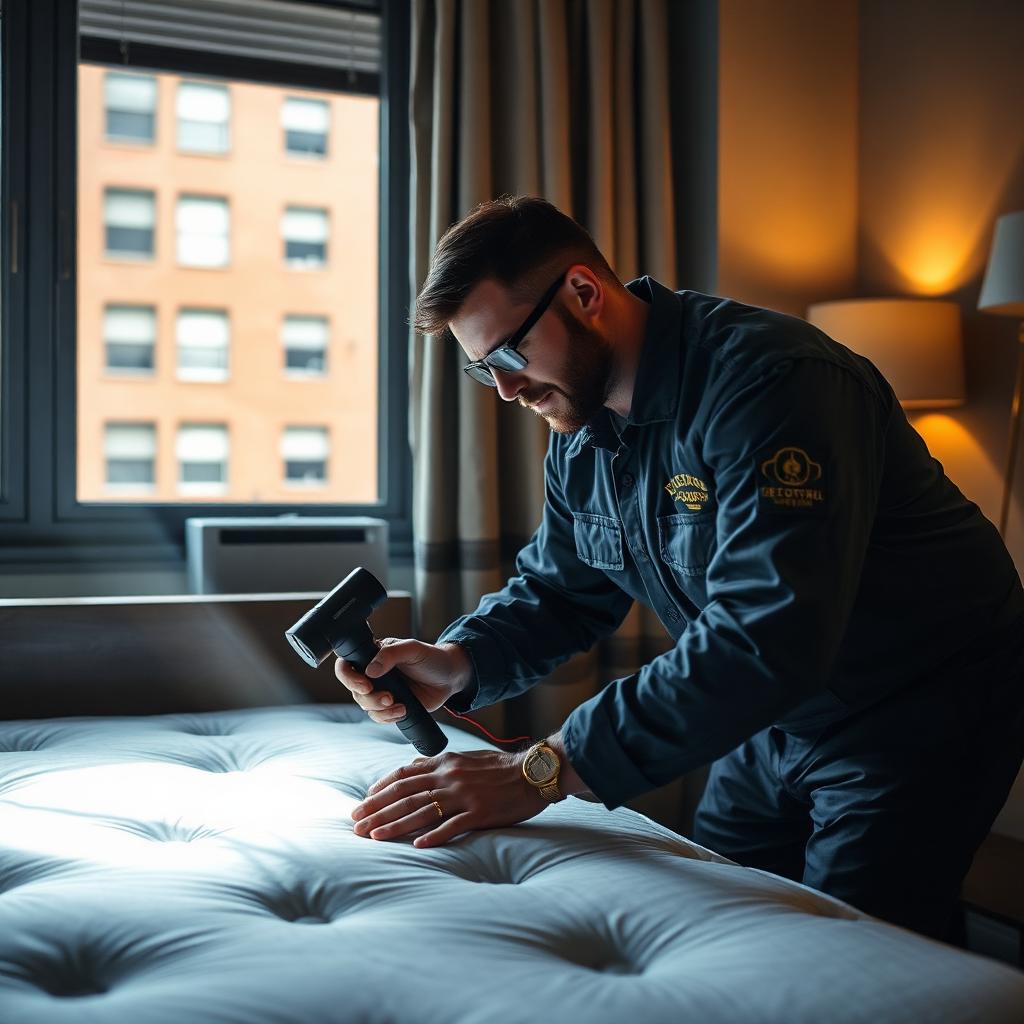
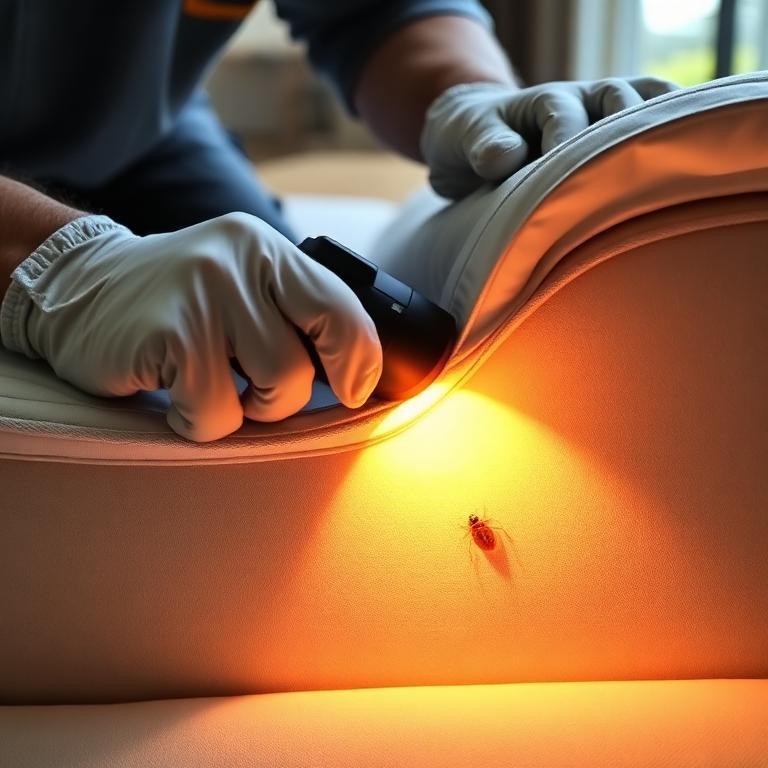
Before you spend a dollar on treatment, confirm the species. Every month our techs are called out to "bed bug" jobs that turn out to be fleas, carpet beetles, bat bugs, or bird mites — each of which is treated completely differently. Look for the classic signs: small reddish-brown smears on sheets, dark pepper-like fecal spots along mattress seams and box-spring corners, translucent shed skins, and live bugs the size of an apple seed.
See our full [signs of bed bugs guide](/blog/chicago-bed-bug-signs) for photos and identification details. If you are not sure, a free inspection is faster and cheaper than guessing wrong.
Step 2 — Contain, do not spread
The single biggest mistake Chicagoans make in the first 48 hours is moving stuff. Do not haul the mattress to the alley, do not move to the couch in the living room, do not start sleeping at a friend's place. Every one of those actions either spreads bed bugs to a new room, a new building, or back to you when you return.
- Keep sleeping in the affected room — your body heat is what draws them out for treatment.
- Bag bedding and recent laundry in sealed plastic; dry on high heat for 45 minutes before re-using.
- Do not put furniture in the alley; if you must dispose of it, slash the upholstery and write "BED BUGS" on it so no one re-introduces them to another building.
- Do not bomb the apartment with foggers — they scatter bed bugs into wall voids and adjacent units.
Step 3 — Notify your landlord (in writing) if you rent
Chicago's RLTO and the Illinois Bed Bug Code put the cost of professional bed bug treatment on the property owner in nearly every case. Send written notice (email is fine, keep a copy) the same day you suspect bed bugs. Your landlord has a defined window to arrange a licensed pest control company. See our [Chicago bed bug landlord guide](/blog/chicago-bed-bug-laws-tenant-landlord) for the exact ordinance language.
Step 4 — Prep the unit the right way
Prep depends on whether you are getting heat treatment or liquid treatment. Sleep Tight sends a written prep sheet 24–48 hours before the appointment, but in general:
- Wash and high-heat dry all bedding, curtains, and clothes from affected rooms; bag the dried items.
- Remove anything heat-sensitive from the unit before heat treatment (vinyl records, candles, aerosols, fresh produce, pets, plants).
- Pull furniture 18 inches off the walls so the technician can treat baseboards and wall-floor junctions.
- Do not vacuum-deep-clean the day of treatment — let the technician see the activity to confirm hot zones.
Step 5 — Treat with heat, liquid, or a hybrid
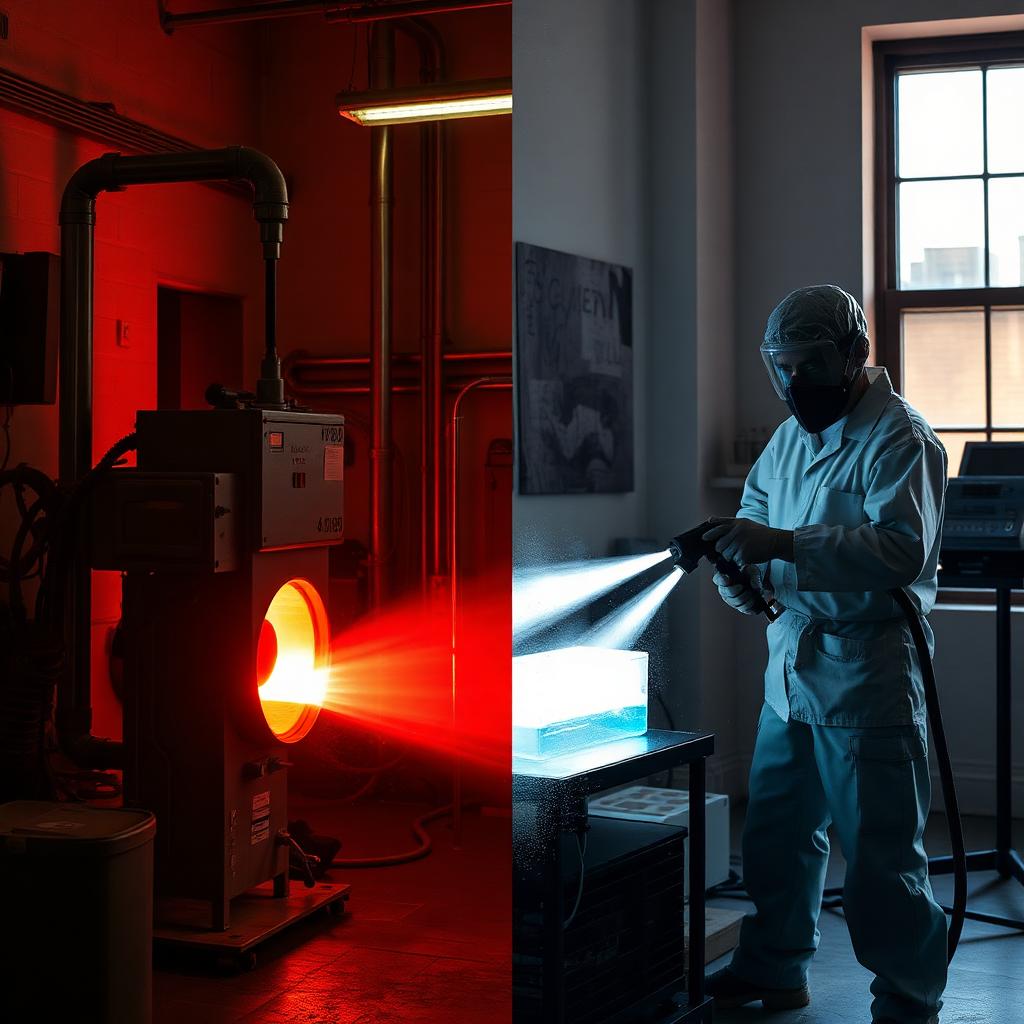
Professional treatment in Chicago generally takes one of three forms. Heat treatment is a one-day, chemical-free option that raises every surface above 120°F for several hours and kills every life stage including eggs. Liquid (conventional) treatment uses targeted EPA-registered residual products and requires two to three visits spaced two weeks apart. A hybrid approach combines spot heat with targeted liquids for larger or unusually cluttered jobs.
Sleep Tight recommends [whole-unit heat treatment](/services/bed-bug-heat-treatment) for most moderate-to-heavy Chicago infestations because it eliminates the population in a single day and minimizes time off work.
Step 6 — Follow up for 30–60 days
After treatment, monitor for any new activity for 30–60 days. Sleep Tight installs ClimbUp interceptors under bed legs and schedules a follow-up inspection at the two- and six-week marks. Keep the unit lightly de-cluttered, do not bring in second-hand furniture without inspection, and check yourself after any overnight travel for the first two months.
What does not work — and will waste your money
Stay away from these:
- Hardware-store bed bug sprays and foggers — they scatter bed bugs and create resistance.
- Rubbing alcohol — only kills on contact and is a fire hazard at the volumes you would need.
- Diatomaceous earth slathered everywhere — works only when applied in a thin invisible layer, which is hard to do correctly.
- Throwing out the mattress without sealing it — re-introduces bed bugs to your building's alley and to whoever scavenges it.
- Single-room treatment in a multi-room infestation — bed bugs simply migrate.
Get a free Chicago bed bug inspection
Sleep Tight Pest Control offers same-day free bed bug inspections across Chicago. We confirm species, pin down severity, and quote in writing on the spot. Call (773) 240-5932 or [request an inspection online](/contact).
Related Sleep Tight pages
Frequently Asked Questions
Can I get rid of bed bugs in a Chicago apartment myself?
Honestly, almost never in a multi-unit building. DIY treatment usually pushes bed bugs into wall voids and adjacent units, where they regroup and re-infest. Single-unit single-family homes caught extremely early can sometimes be DIY'd with diligent laundering and a quality interceptor system, but professional treatment is faster, cheaper over the long run, and comes with a warranty.
How long does professional bed bug treatment take?
Heat treatment is one day (6–8 hours on-site). Liquid treatment is two to three visits spaced two weeks apart. Both should come with a written follow-up plan.
Do I have to throw out my mattress?
Almost never. A mattress encasement after treatment is fine; throwing it out only adds expense and risks re-introducing bed bugs to the building's alley.
Will bed bugs come back after treatment?
With a reputable Chicago provider and a warranty, no — re-treatments are covered if any activity is found in the warranty window. The biggest re-introduction risk in Chicago is shared-wall neighbors and overnight travel.
Need pest control in Chicago?
Sleep Tight Pest Control offers same-day service across all Chicago neighborhoods and suburbs including Evanston, Skokie, Niles, and Oak Park. Call (773) 240-5932 or get a free quote online.