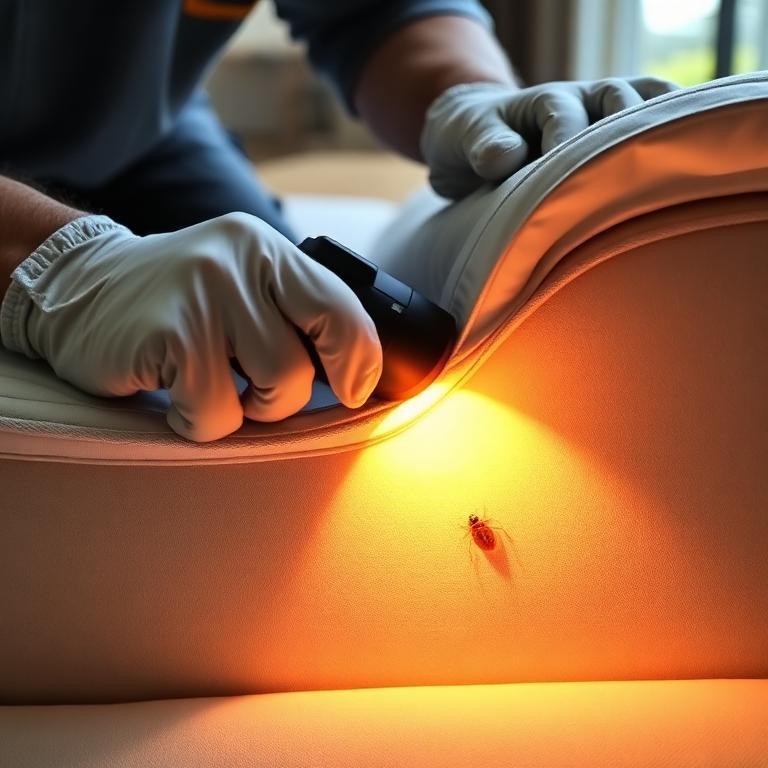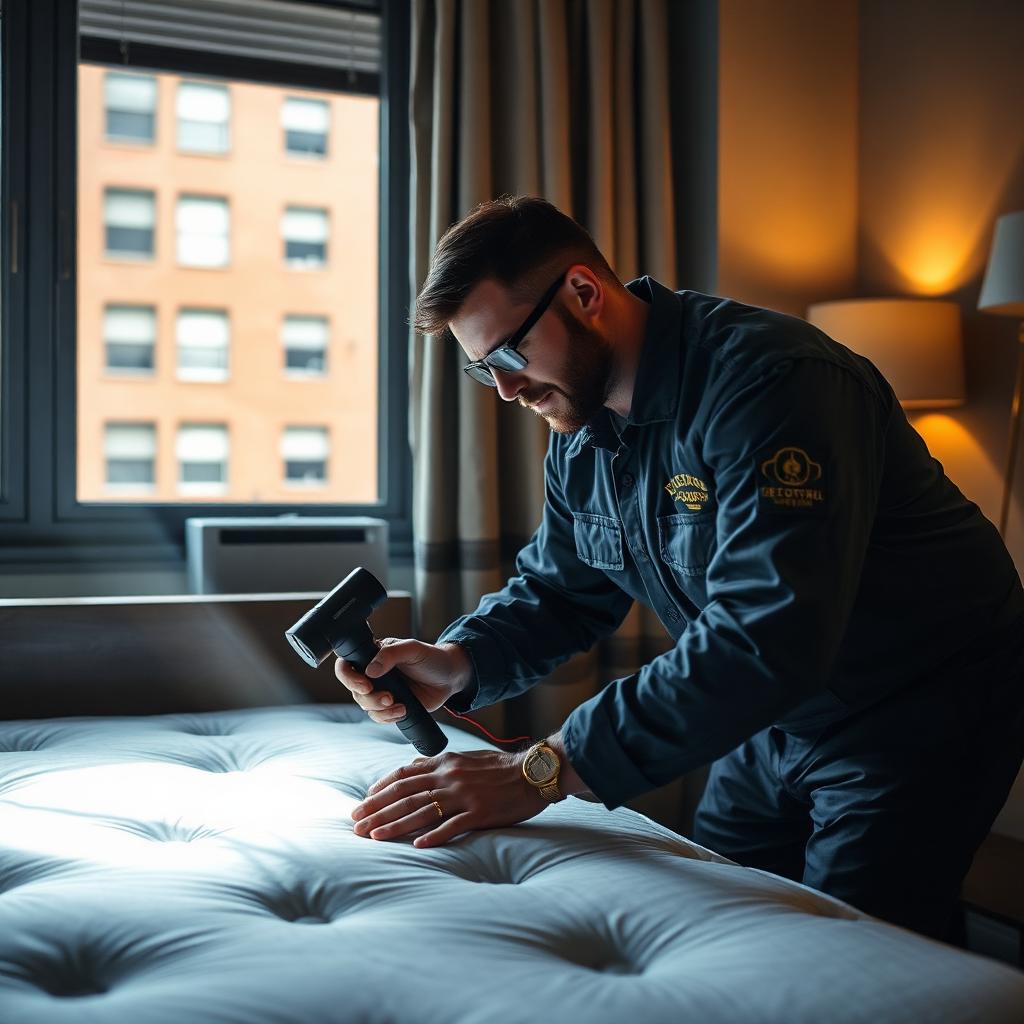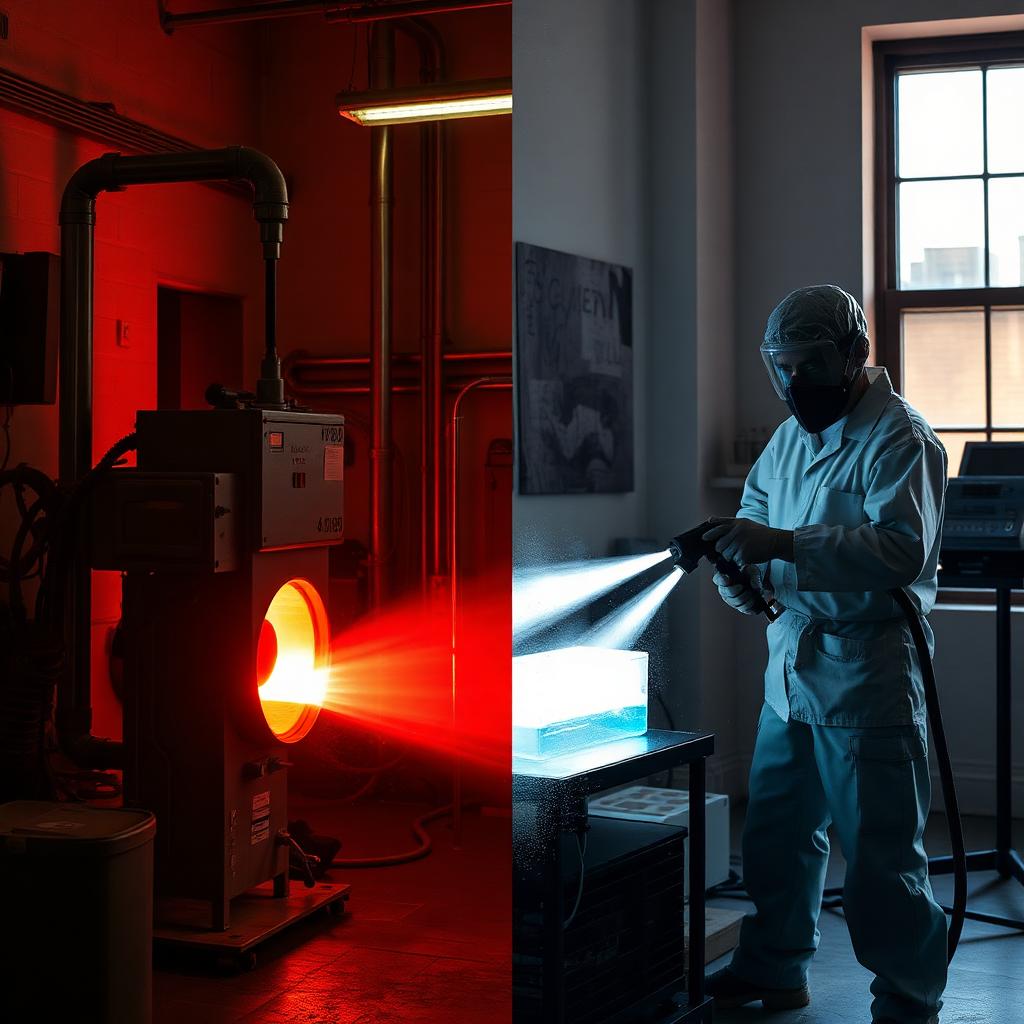
Heat or liquid? Both kill bed bugs, but they're very different experiences. Here's an honest comparison from a Chicago pest control company that offers both — and why we sometimes recommend one over the other.
If you're shopping for bed bug treatment in Chicago, you've probably seen two terms thrown around — heat treatment and chemical (liquid) treatment. Both work. Both are professional-grade. But the experience, the prep, the timeline, and sometimes the cost are very different. Here's how to choose.
How heat treatment works
Heat treatment raises the temperature of your unit to 120–135°F for several hours using industrial electric heaters and circulating fans. Every life stage of bed bug — egg, nymph, adult — dies above 118°F. One visit, no insecticide in your living space, and you can sleep in your bed the same night.
Heat is ideal for renters in Chicago condos and apartments who need to be back in their unit fast, for households with chemical sensitivities, and for situations where prep time is tight.
How chemical (liquid) treatment works
Chemical treatment uses EPA-approved residual insecticides applied directly to harborage areas — bed frames, baseboards, electrical outlets, furniture seams. It typically requires two to three visits over four to six weeks because liquid products don't kill eggs as reliably as heat, so we return after eggs hatch.
Chemical is often the right choice for single-family homes, large floor plans, basements, and situations where heat would be impractical (very high or very low ceilings, certain heat-sensitive items).
Side-by-side comparison
Here's the honest tradeoff:
- Visits: heat = 1, chemical = 2–3
- Time back in unit: heat = same evening, chemical = 4 hours after each visit
- Prep: heat requires removing heat-sensitive items only; chemical requires more bagging and cleaning
- Cost: heat is typically higher per visit; chemical's total often catches up across multiple visits
- Chemical residue in living space: none with heat; light residual with chemical
- Effectiveness against eggs: heat kills all stages in one pass; chemical relies on return visits
Which Sleep Tight recommends for Chicago homes
If you're in a single-bedroom or two-bedroom Chicago apartment with a confirmed infestation, heat is almost always our first recommendation — it's one and done. For larger homes (3+ bedrooms, basements, multi-floor units), chemical treatment is often the more cost-effective path, especially for landlords managing multiple units.
Either way, we walk you through both options before you commit. Pricing is upfront and written. Free inspection across Chicago — we'll tell you honestly which makes more sense for your specific situation.
Why this matters for Chicago homes and apartments
Chicago's pest pressure is unusual for a major American city. The combination of a 100-year-plus housing stock, dense alley-based garbage collection, lake-effect humidity from May through September, and a freeze-thaw cycle that opens new foundation cracks every winter creates year-round opportunity for pests that would be seasonal almost anywhere else. Bed bugs and German cockroaches stay active inside heated buildings through January. Norway rats expand burrow networks under garages and gangways the moment ground temperatures crack 40°F. Mosquitoes breed in any standing water within a quarter-mile radius. The result is that the same pest problem in Chicago needs a different response than the playbook a national chain runs in a Sun Belt suburb.
That is why Sleep Tight built its service model around Chicago specifically: same-day appointment availability across all 77 community areas, licensed technicians who know the difference between a Greystone basement and a four-plus-one wall void, transparent flat-rate pricing instead of national-chain upsell scripts, and aftercare that accounts for shared-wall and shared-alley re-introduction risks.
What to do if you are seeing this problem right now
First, do not start spraying over-the-counter products. Foggers, bug bombs, and most consumer aerosols scatter the population deeper into wall voids, baseboards, and adjacent units, which makes the eventual professional treatment harder and more expensive. Second, document what you are seeing — photos of the pest, the location, droppings, damage, or bites — so a technician can confirm species and severity over the phone before the visit. Third, if you rent, notify your landlord or property manager in writing the same day; Chicago's Residential Landlord and Tenant Ordinance (RLTO) protects tenants who report infestations in good faith and obligates the landlord to coordinate professional treatment in nearly every case.
- Bag bedding, soft goods, and any items near the activity in sealed plastic — do not move them to another room.
- Keep sleeping in the affected room if bed bugs are suspected; moving rooms starts a second infestation.
- For rodents, do not seal up burrows or holes before treatment — exclusion happens after the population is knocked down.
- For mosquitoes, walk the perimeter and empty every container holding standing water; even a bottle cap can breed dozens.
- Call (773) 240-5932 for a same-day inspection — most Chicago neighborhoods can be on the schedule within four hours.
Related Sleep Tight resources
Sleep Tight Pest Control publishes a deep library of Chicago-specific guides covering bed bugs, rodents, cockroaches, mosquitoes, ants, and commercial pest control. Each guide is written by our technicians and reflects exactly what we see in the field across the city's neighborhoods.
- [Complete Chicago Pest Control Guide](/chicago-pest-control-guide) — neighborhood-by-neighborhood pest pressure overview.
- [Bed bug heat treatment](/services/bed-bug-heat-treatment) — one-day chemical-free bed bug elimination for Chicago apartments and homes.
- [Rodent control](/services/rodent-control) — exterior baiting, interior trapping, and exclusion for Chicago's rat and mouse pressure.
- [Emergency pest control](/services/emergency-pest-control) — same-day service for active infestations citywide.
- [Pest library](/pest-library) — searchable identification guide with photos for the 30+ pests common in Chicago.
Related Sleep Tight pages
Frequently Asked Questions
Is heat treatment more effective than chemical for bed bugs?
Per visit, yes — heat kills every life stage including eggs in a single treatment. Chemical treatment is equally effective overall but requires two to three visits to catch newly hatched nymphs.
Is heat treatment safe for my belongings?
Most household items handle 130°F without issue. Sleep Tight provides a checklist of heat-sensitive items to remove beforehand — typically aerosols, certain plastics, candles, and pets.
Which is cheaper — heat or chemical?
It depends on the size of the space. Heat is usually a higher single-visit price; chemical is multiple visits at a lower per-visit rate. For most Chicago apartments, total cost is comparable.
Can I combine heat and chemical treatments?
Yes, and for severe infestations we often do. Heat handles the active population in one pass, and a follow-up residual application protects against any survivors or re-introduction.
Need pest control in Chicago?
Sleep Tight Pest Control offers same-day service across all Chicago neighborhoods and suburbs including Evanston, Skokie, Niles, and Oak Park. Call (773) 240-5932 or get a free quote online.