A West Ridge brick bungalow presents a different inspection footprint from a mid-century apartment complex. The bungalow may have a deep basement, a long foundation perimeter, and a detached garage across the rear yard. The apartment building may place several households above common storage rooms, laundry areas, and utility connections.
That contrast defines our approach to West Ridge, also commonly called West Rogers Park. The neighborhood’s bungalow districts sit alongside apartment properties and active commercial corridors. Devon Avenue brings together shops, grocers, and restaurants, while the residential blocks near Indian Boundary Park offer another setting for inspecting homes and their surrounding structures.
Sleep Tight Pest Control leads with bed bug treatment and rodent control and structural exclusion, followed by general pest service for cockroaches, ants, and spiders. We establish which spaces need attention before recommending treatment or repairs.
Bed Bug Treatment: A Bungalow and an Apartment Need Different Access Plans
In a bungalow, the inspection may extend from main-floor bedrooms to a basement guest room or upstairs sleeping space. In a multi-family property, the first concern may be one apartment, with additional access needed if findings or related reports suggest activity elsewhere.
We inspect accessible sleeping and resting areas, including bed frames, upholstered furniture, and nearby hiding places. In apartment buildings, openings associated with shared pipes, wiring, and wall voids can allow bed bugs to move between units. Common construction warrants investigation; it does not establish that every connected apartment is affected.
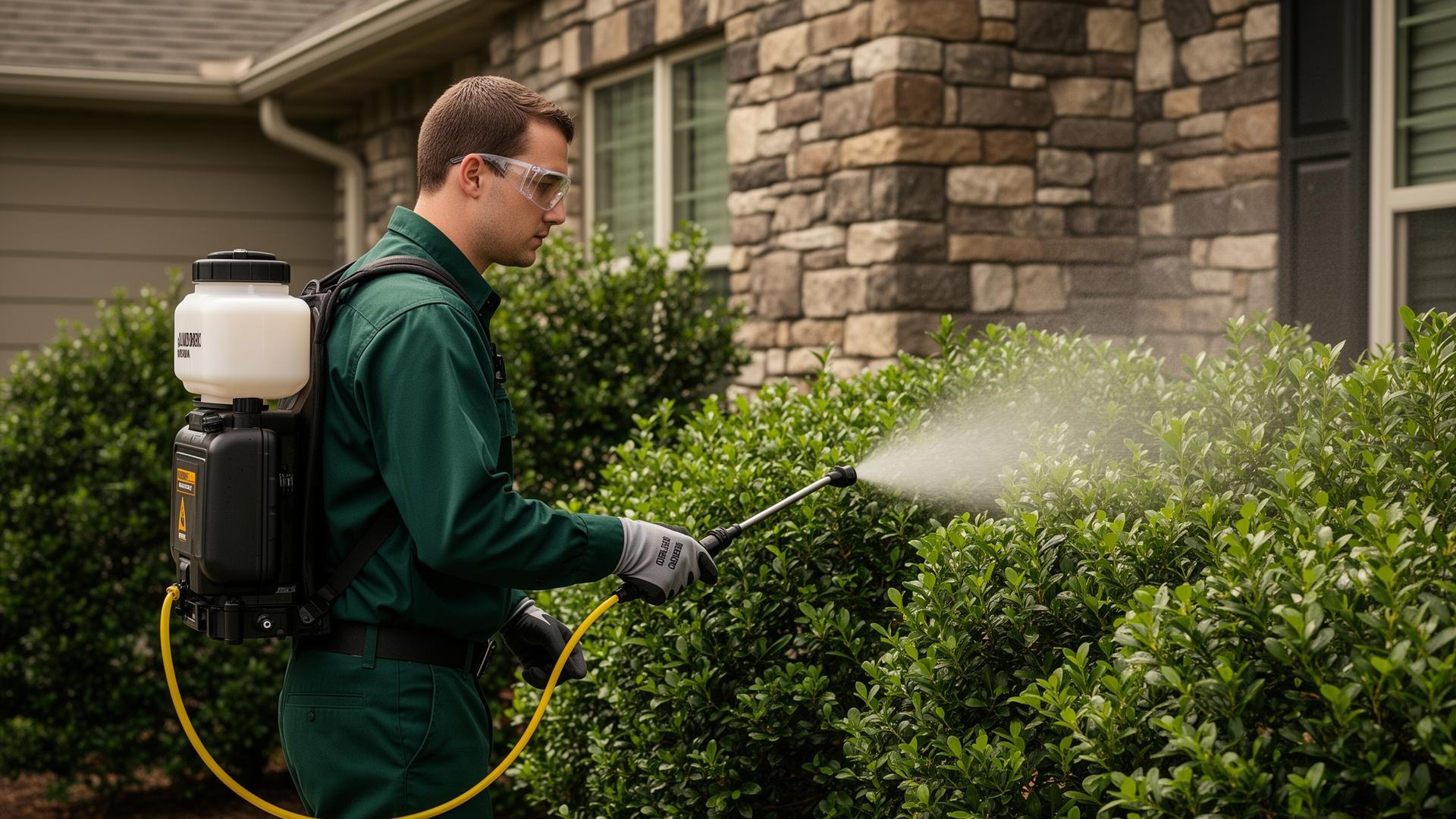
For homeowners: Tell us which rooms people use for sleeping, including finished basement spaces, and whether furnishings have moved between floors.
For property managers: Provide affected unit numbers, relevant reports, and access arrangements for any additional spaces requiring inspection.
Bed Bug Heat Treatment — 6-Month Warranty
Professional heating and temperature monitoring address the designated treatment area. We explain the proposed scope, preparation requirements, and handling of heat-sensitive belongings before service.
Bed Bug Liquid Treatment — 3-Month Warranty
Targeted professional applications address identified harborages and appropriate treatment sites. Scheduled follow-up visits form part of the plan, with preparation and continued access coordinated in advance.
The recommended approach follows the inspection findings, property layout, furnishings, and available access.
Rodent Exclusion: Inspect the Foundation Perimeter and the Garage Separately
A substantial brick exterior does not reveal every connection around a home. Basement windows, service entries, rear doors, and junctions between foundation materials and framing can each warrant inspection.
For bungalows along the residential streets off California and Western Avenues, our rodent control and structural exclusion assessment considers three distinct areas:
- The house perimeter. We inspect accessible foundation edges, basement window frames, service penetrations, and connections around additions or rear entrances.
- The basement interior. We examine accessible openings around utility lines, storage areas, and mechanical equipment, noting where finished walls restrict inspection.
- The detached garage. We check overhead-door corners, side-door thresholds, lower wall materials, and accessible slab-to-wall connections.
Seasonal changes make the condition of these openings worth reviewing, but garage activity does not establish how rodents are entering the house. We distinguish findings in each structure and explain the recommended scope.
For larger apartment properties, the same work may require access to common basement rooms, receiving entrances, refuse areas, and shared service routes.
Trapping and monitoring help establish activity. Exclusion addresses identified entry points with materials and fastening methods suited to the surrounding construction. Where deteriorated masonry, damaged doors, or concealed openings require another contractor or additional access, we identify that work clearly.
General Pest Barriers for Kitchens, Lower Levels, and Exterior Entries
Cockroaches
In apartments and commercial spaces along Devon Avenue, accessible kitchen equipment, sink plumbing, food storage, and moisture conditions guide the inspection. Shared utility openings and related reports help determine whether management should arrange access beyond the initially affected space.
Treatment and monitoring follow the findings, with preparation requirements explained before service.
Ants
Around bungalow foundations, basement windows, and rear doors, we investigate observed trails and accessible entry points. Appropriate treatment is paired with recommendations for supporting food or moisture conditions and openings needing repair.
Spiders
Basement corners, storage rooms, garage interiors, and window frames receive attention where activity is reported. Targeted service and accessible web removal, where appropriate, accompany recommendations for screens, gaps, and surrounding conditions.
Our general pest barriers combine treatment with practical maintenance guidance for the areas inspected.
Local Response With the Right Doors Open
Before the visit, tell us whether access involves a single-family home, a detached garage, several apartments, or a commercial unit. Mention locked basement rooms and finished areas that may conceal service connections.
Our office at 4311 N. Ravenswood Ave, Chicago, IL 60613 supports our guaranteed same-day response in West Ridge and West Rogers Park.
Call (773) 240-5932 with the property address, observed activity, and the areas you can make accessible. We’ll confirm your arrival window and coordinate an inspection suited to the property.