A finished basement can conceal the original foundation. An attic conversion can leave older roof connections behind new walls. On North Center’s residential blocks, protecting a detached home means understanding how those layers of construction fit together.
Around Irving Park Road and Addison Street, and on nearby residential streets toward Horner Park, an inspection may need to account for several levels of the same property: basement living space, first-floor bedrooms, crawl spaces beneath additions, and accessible attic areas. Irving Park Road also runs along the southern end of Horner Park’s riverside natural area.
Sleep Tight Pest Control leads with bed bug treatment and rodent control and structural exclusion, supported by general pest service for kitchens, foundations, and exterior nesting areas. Our inspection follows the home’s construction and observed activity, rather than stopping at the room where the problem was first noticed.
Bed Bug Treatment Starts With How Your Household Uses the Home
In a single-family property, sleeping areas can extend beyond upstairs bedrooms. A basement guest room, living-room sofa, or finished attic bedroom may also need inspection when someone reports bed bug activity.
We ask where people sleep or rest, where signs have appeared, and whether belongings have moved between rooms. Accessible bed frames, upholstered furniture, baseboard edges, and nearby hiding places help establish the treatment scope. Bed bugs can occupy small cracks and wall voids; a clean-looking room alone does not rule out activity.
Bed Bug Heat Treatment — 6-Month Warranty
Professional heating and temperature monitoring address the designated treatment area. We explain preparation, heat-sensitive belongings, and access requirements before service. In a home with multiple finished levels, the proposed scope should clearly identify which rooms and spaces are included.
Bed Bug Liquid Treatment — 3-Month Warranty
Targeted professional applications address identified harborages and appropriate treatment sites. Scheduled follow-up visits form part of the plan, with preparation and access instructions explained for each stage.
We recommend the approach after inspection, taking the layout, observed activity, furnishings, and household arrangements into account.
Rodent Exclusion Requires Two Views of the Same House
A noise upstairs and droppings downstairs call for investigation, not an assumption that both have the same source. Our rodent control and structural exclusion assessment considers accessible openings at foundation level and, where safely accessible, above it.
Below: Foundations, Crawl Spaces, and Finished Basements
Older foundation materials and later renovations can leave connections that are difficult to see from a finished room. We inspect accessible areas around:
- Foundation-to-framing junctions: Gaps where masonry, sill plates, and lower framing meet.
- Service entries: Openings around pipes, cables, and other utility penetrations.
- Additions and crawl-space access: Transitions between original construction and newer enclosed areas.
- Basement finishes: Accessible edges and service openings behind or beside cabinets, storage, and mechanical equipment.
Visible gaps do not establish why a foundation has moved. Where deteriorated masonry or suspected structural movement needs further assessment, we identify the repair concern and explain where another qualified contractor is needed.
Above: Roof Edges, Soffits, and Attic Connections
Accessible soffit damage, gaps at roof-to-wall junctions, and openings around service entries can warrant closer assessment when attic activity is reported.
We establish what evidence is present before recommending exclusion. Attic sounds alone do not identify the animal involved. If findings indicate wildlife rather than rodents, we explain the need for an appropriate wildlife specialist before openings are closed.
For rodent entry points within our repair scope, materials and fastening methods must suit the surrounding construction. Trapping, monitoring, and physical repairs work together; sealing one visible gap does not establish that every route has been addressed.
General Pest Barriers Around Kitchens, Foundations, and Eaves
North Center homes also need a plan for cockroaches, ants, spiders, and seasonal stinging insects.
Cockroaches: We inspect accessible kitchen and plumbing areas, including beneath sinks and around appliances. Targeted treatment and monitoring follow the findings, alongside recommendations for moisture or food conditions that need attention.
Ants and spiders: We investigate activity around basement windows, door thresholds, siding transitions, and accessible foundation edges. Appropriate treatment is paired with practical recommendations for screens, gaps, and exterior maintenance.
Wasps and hornets: Roof eaves, porch overhangs, and other sheltered exterior spaces may require inspection when nesting activity is reported. Treatment depends on the identified insect, nest location, and safe access. Activity disappearing into an enclosed soffit needs assessment before anyone seals the opening.
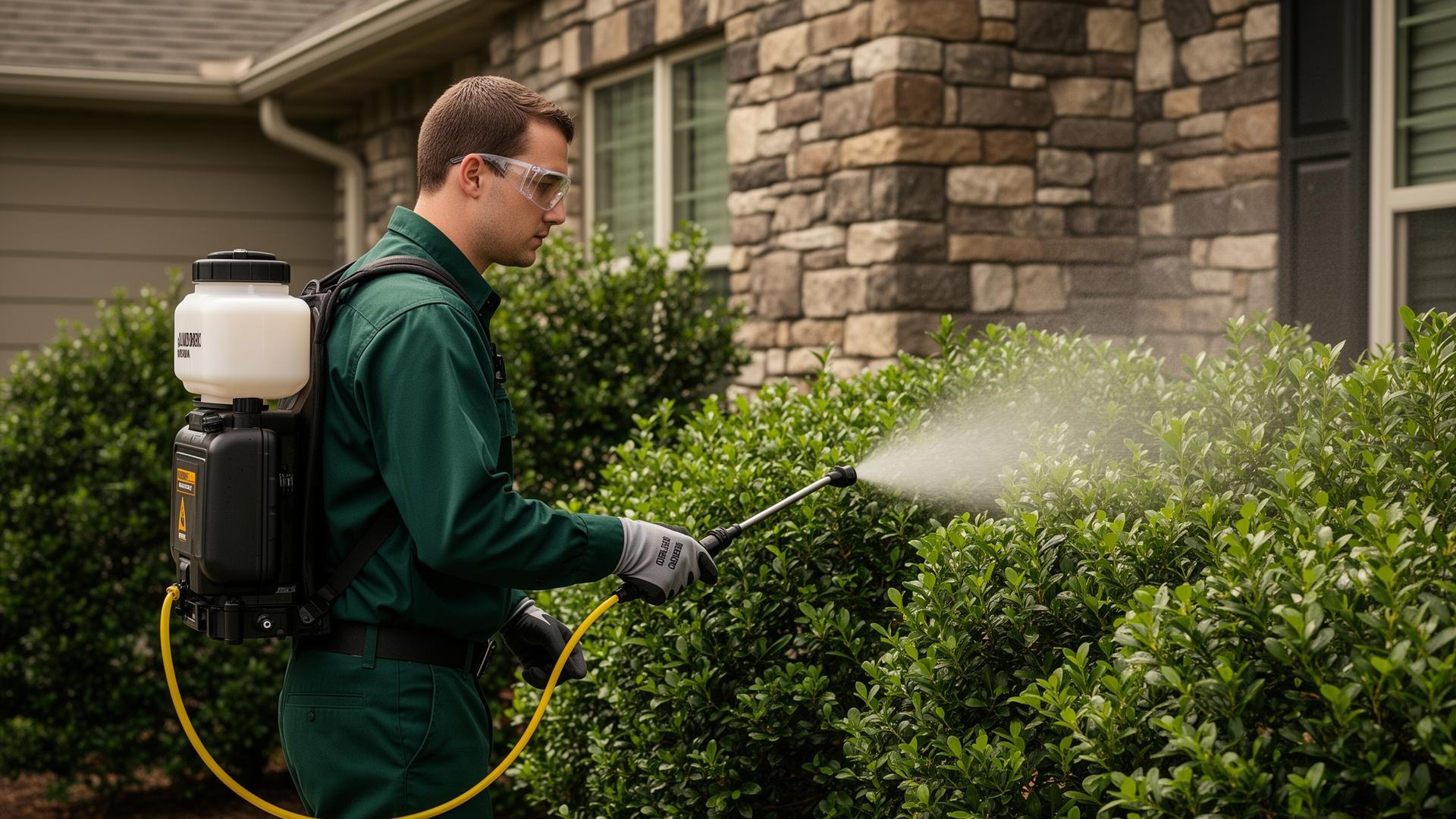
Our general pest barriers combine targeted treatment with attention to the building conditions that support entry or nesting.
Tell Us Which Levels We Need to Reach
When arranging an inspection, mention finished basements, crawl-space hatches, attic access, and locked exterior areas. If activity is behind a fixed appliance or an enclosed finish, tell us before the visit so we can discuss access with you or your maintenance contractor.
Our office at 4311 N. Ravenswood Ave, Chicago, IL 60613 supports our guaranteed same-day response in North Center.
Call (773) 240-5932 with the property address, observed activity, and the rooms or exterior areas involved. We’ll confirm your arrival window and coordinate access for an inspection suited to your home.